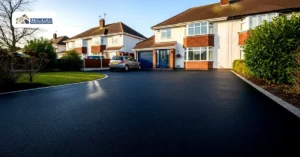
Tarmac driveways are a simple and affordable way to upgrade your home’s entrance. They provide a smooth, strong surface that works well for cars and looks tidy year-round. Many UK homeowners choose tarmac because it is quick to install, low-cost, and durable, with easy maintenance.
In 2025, the cost of a tarmac driveway depends on size, design, and base preparation. This guide covers everything you need to know, including average tarmac driveway costs, installation steps, drying time, and maintenance tips to help you plan your budget and get lasting value.
What is tarmac?
Tarmac, short for tarmacadam, is a mixture of bitumen and crushed stone. It is widely used for roads, car parks, and residential driveways because of its durability and smooth finish. A “tarmaced” surface provides stability, weather resistance, and a clean, even look suitable for all home types.
Average Tarmac Driveway Cost in 2025
The tarmac driveway cost in the UK depends on three main factors: the size of your driveway, the condition of the base, and the type of finish you choose. Below are the typical price ranges for 2025.
1. Cost per Square Metre
Standard black tarmac:£45 to £70 per m²
Mid-range finish:£80 to £90 per m²
Coloured tarmac driveway:£90 to £120 per m²
Prices may vary by region and project complexity. London and the South East usually sit at the higher end of these ranges.
2. Cost by Driveway Size
Small driveway (20 m²): £1,200 to £1,800
Medium driveway (40 m²): £2,000 to £4,000
Large driveway (100 m²): £6,000 to £9,000
If your existing base is in good condition and only needs resurfacing, the total cost of tarmacing a driveway can drop by 30–40%.
3. Quick Tarmac Driveway Cost Calculator
You can estimate your total using this simple formula:
Total Cost = Area (m²) × Cost per m² + Extras
Example: 30 m² × £80 = £2,400
£400 for edging or drainage = Estimated total: £2,800
This quick tarmac driveway cost calculator gives a realistic starting point before requesting quotes.
Factors That Influence Tarmac Driveway Price
Several factors influence the cost of a tarmac driveway beyond just size and finish. Understanding these helps you plan your budget more accurately.
Base condition: If the existing surface is cracked or uneven, it may need a new sub-base before laying tarmac. This preparation increases both labour and material costs.
Thickness of layers: Standard drives use one or two layers, but heavier vehicles require thicker layers, which raises the overall tarmac driveway cost.
Access: Narrow or limited access can make it harder for machinery and trucks to reach the site, adding labour and time.
Design and finish options: Choosing coloured tarmac, adding brick borders, or creating patterns improves appearance but increases the price.
Region and labour rates: Costs vary across the UK. Installations in London and the South East are typically higher due to transport and labour charges.
Proper installation starts with the right team; working with a reputable Landscaping company helps deliver a durable and clean tarmac surface.
Tarmac Driveway Installation Process
Installing a tarmac driveway follows a step-by-step process, with each phase affecting the driveway’s strength, durability, and appearance.
Excavation: The installer removes the old driveway, grass, or soil to create a stable base. Proper excavation prevents sinking or cracking later.
Sub-base Preparation: A solid sub-base is added using crushed stone or hardcore. This layer gives strength and allows water to drain effectively, which is vital for long-term stability.
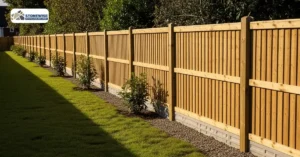
Edging: Kerbs or brick borders are installed around the edges. Edging keeps the tarmac drive neat and prevents the surface from spreading or breaking.
Laying Tarmac: Hot tarmac is poured, spread evenly, and compacted using a roller. Depending on the driveway type, one or two layers are applied for extra strength.
Finishing and Rolling: The surface is rolled and smoothed to achieve a consistent, even texture. This final stage gives your driveway its clean, professional look.
How Long Does a Tarmac Driveway Take to Install
The time it takes to complete a tarmac surface depends on size and site conditions:
Small driveways: 2 to 3 days
Medium to large driveways:4 to 7 days
Wet or cold weather can slow down drying and delay completion. Planning your project in mild, dry conditions helps achieve the best finish.
How Long Does Tarmac Take to Dry
After installation, tarmac needs time to dry and harden properly before it can handle foot or vehicle traffic. Drying time depends on weather, temperature, and the thickness of the tarmac layer.
Typical Drying Times
Walkable: after 12 to 24 hours
Driveable: after 48 to 72 hours
Fully cured: after 2 to 4 weeks
During the first few days, avoid parking heavy vehicles or turning tyres in the same spot. This prevents dents, scuffs, or surface marks while the tarmac driveway is setting.
Types of Tarmac Driveways and Finishes
Different tarmac driveway styles let you balance cost, appearance, and durability. The right finish depends on your home’s style and your budget.
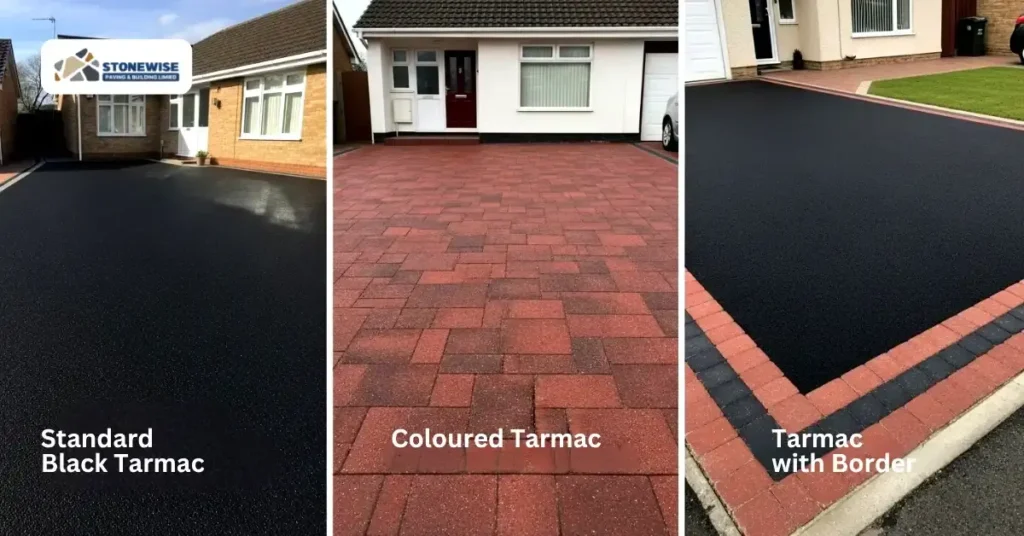
Standard Black Tarmac: Popular and cost-effective. Smooth, durable, and suits most UK homes. Lower price option.
Coloured Tarmac: Available in red, green, or grey. Adds decorative appeal and can match paths or gardens. Slightly higher price.
Tarmac with Border: Borders made of bricks, kerbs, or stone blocks. Adds strength, defines edges, and prevents crumbling. Extra £10–£20 per metre.
Tarmac Driveway Maintenance and Lifespan
A properly installed tarmac driveway can last 15 to 20 years with simple, regular care. Routine maintenance helps keep the surface smooth, safe, and looking fresh.
Routine Maintenance Tips
Sweep away leaves and debris to prevent stains and moss growth.
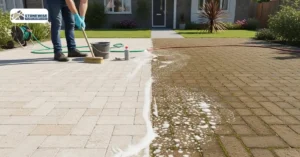
Rinse with clean water to remove oil, dirt, or fuel marks.
Apply a seal coat every 4 to 6 years to protect the surface colour and prevent cracking.
Fill small cracks early before they spread and weaken the surface.
Avoid parking heavy vehicles during hot weather when the tarmac becomes softer.
Repairs and Resurfacing Costs
Minor scuffs or cracks can be fixed using cold-lay tarmac repair kits. For deeper damage or worn surfaces, resurfacing may be needed, costing around £30 to £50 per m².
For professional repairs or resurfacing, consider local providers of tarmac driveway services across Bishops Stortford or nearby areas, who can maintain your driveway’s appearance and longevity.
Choosing the Right Tarmac Driveway Installer
Choose a tarmac driveway installer with experience to get a strong, professional finish. Get at least three quotes to compare prices and services before deciding.
What to Check in a Quote
Ask each installer for a clear breakdown of:
Excavation and waste removal costs
Sub-base preparation and drainage details
Type and thickness of tarmac used
Borders, kerbs, and any decorative features
Labour rates and VAT
Installer Costs
The average tarmac driveway installer cost ranges from £150 to £250 per day, depending on region and experience.
Choosing a Reliable Company
Select a company with:
Proven experience in tarmac driveways
Public liability insurance
Verified customer reviews or trade references
Working with a reputable company often saves money in the long run, as skilled installers deliver better workmanship and reduce the need for future repairs.
Tarmac vs Other Driveway Materials
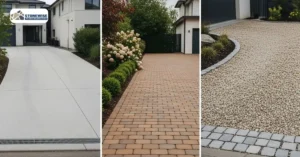
When choosing a new driveway, most homeowners compare tarmac, block paving, resin, gravel, and concrete. Each material has its own balance of cost, durability, and maintenance needs.
Tarmac driveways: Cost £45–£90 per m². Quick to install, durable, and easy to maintain, making them ideal for most UK homes.
Block paving: Cost £80–£120 per m². Offers decorative designs and patterns but needs regular cleaning and weed control.
Resin driveways: Cost £90–£130 per m². Smooth and modern appearance, but colours may fade over time, and repairs can be costly.
Gravel driveways: Cost £40–£60 per m². Cheapest option, provides good drainage, but needs frequent raking and topping up.
Concrete driveways: Cost £70–£100 per m². Very strong and long-lasting, though cracks can appear if not installed correctly.
Tarmac offers the best balance of price, strength, and easy maintenance, making it a smart choice for practical homeowners.
Conclusion
A tarmac driveway remains one of the most practical and affordable ways to upgrade your home’s exterior. In 2025, the average tarmac driveway cost ranges from £80 to £90 per m², depending on size, finish, and design choices.
Tarmac offers strong value for money. It installs quickly, needs simple upkeep, and lasts for many years. Whether you prefer standard black or coloured tarmac, the result is a clean, smooth, and durable surface that improves both appearance and function.
A standard black tarmac driveway costs £45–£70 per m². Mid-range finishes are £80–£90 per m², and coloured tarmac can reach £120 per m². Size, base condition, and extra features like borders affect the total cost
Tarmac is walkable after 12–24 hours, drivable in 48–72 hours, and fully cured in 2–4 weeks. Avoid heavy vehicles or turning tyres on the surface during the first week.