Keeping block paving clean is a common challenge for homeowners. Driveways and patios often collect dirt, moss, weeds, and even stubborn oil stains over time. These can make surfaces look dull, feel slippery, and cause long-term damage. Learning how to clean block paving the right way keeps your outdoor areas safe, attractive, and in top condition.
This guide shows clear steps for cleaning block paving. It explains the best way to remove dirt, moss, and weeds and lists the right block paving cleaning tools. It also covers how to deal with stubborn oil stains and clean block paving without a pressure washer using simple, practical methods at home.
Why You Should Clean Block Paving Regularly
Cleaning block paving is more than just keeping it looking good. Dirt, moss, and weeds can make your driveway or patio slippery and unsafe. Regular cleaning of block paving helps prevent long-term damage and keeps the surface strong. Oil stains, for instance, can sink into the blocks if left untreated. Removing them early protects your paving and can save you money on repairs.
Professional help can make your paving look new again. Paving Contractors offer expert maintenance and restoration services to keep your block paving in excellent condition.
Essential Tools You Need to Clean Block Paving
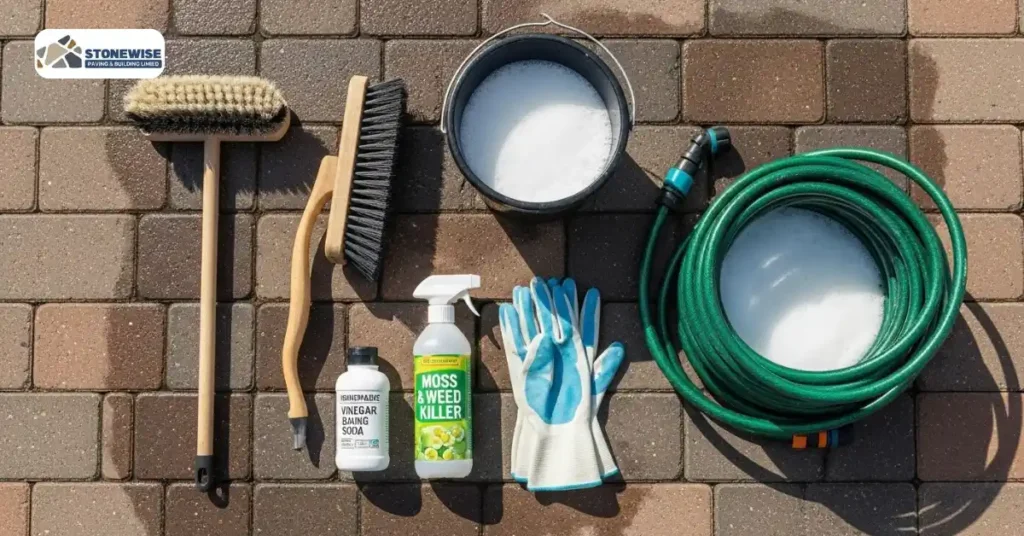
Before starting, make sure you have the right block paving cleaning tools. Using the correct equipment makes the job quicker, easier, and more effective.
You will need:
A stiff-bristled brush or broom for scrubbing dirt and moss
Garden hose or bucket of water for rinsing
Block paving cleaner or a homemade block paving cleaner using vinegar or baking soda
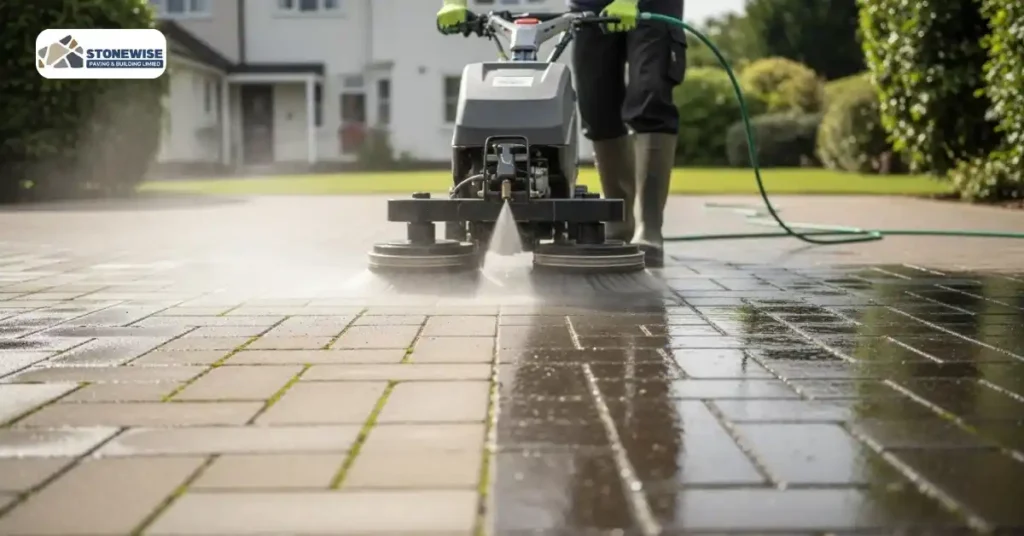
Optional: block paver cleaning machine for larger driveways or patios
Protective gloves to keep your hands safe
Moss killer or a moss and weed killer for block paving to control moss and weeds
Having these tools ready helps you clean block paving faster and get better results.
Step-by-Step Guide to Clean Block Paving
1. Remove Debris and Weeds
Start by clearing loose dirt, leaves, and other debris from your block paving driveway. A broom works well for most areas. Pull out any visible weeds by hand, or use a moss and weed killer for block paving to prevent them from growing back.
2. Treat Moss and Weeds
Moss can make your driveway or patio slippery and unsafe. Apply a moss killer block paving solution following the instructions on the label. For small patches, you can use a mix of water and bleach, but take care to protect nearby plants and grass.
3. Apply Cleaner
For general dirt, use a block paving cleaner or a homemade block paving cleaner. Some easy DIY options are:
Mix warm water with a small amount of washing-up liquid
Combine vinegar with water for a natural solution
Make a baking soda paste for stubborn stains
Apply the solution and leave it for 10–15 minutes to loosen dirt and grime.
4. Scrub the Surface
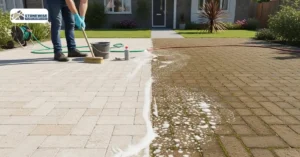
Use a stiff-bristle brush to scrub the paving thoroughly. Pay extra attention to problem areas such as oil stains and moss patches. For larger driveways or patios, a block paver cleaning machine can make the job quicker and easier.
5. Rinse the Paving
After scrubbing, rinse the paving thoroughly with water. A garden hose works well for most areas. For a deeper clean, some homeowners use pressure washing block paving, but you can also clean the surface effectively by hand using a brush and plenty of water.
6. Dry and Inspect
Allow the paving to dry completely. Once dry, check for any remaining moss, dirt, or stains. Spot-clean any areas that still need attention to make sure your block paving looks clean and well-maintained.
Block Paving Maintenance Tips
Sweep your block paving regularly to stop dirt and debris from building up.
Apply moss and weed killer for block paving once or twice a year to prevent unwanted growth.
Seal your blocks to protect against stains from oil, dirt, and everyday wear.
Clean up spills as soon as they happen to avoid stubborn stains.
Avoid harsh chemicals that could damage the surface and reduce the lifespan of your paving.
How to Tackle Common Block Paving Problems
Removing Oil Stains
Oil stains are one of the trickiest issues. For fresh spills, sprinkle sand or cat litter to absorb the oil. For older stains, use a block paving cleaner or degreaser and scrub with a stiff brush. This method effectively removes oil from block paving and restores the surface.
Killing Moss and Weeds
Moss and weeds can make your driveway or patio slippery. Apply a natural mix of vinegar and water to damp blocks and leave it for a while before rinsing. Remove weeds by hand, or use a moss and weed killer to prevent them from coming back.
Cleaning Without a Pressure Washer
You don’t need a pressure washer for clean paving. Use a stiff brush, a bucket of soapy water, and some elbow grease. For tough dirt, a homemade block paving cleaner can help remove stains effectively.
Using a Block Paver Cleaning Machine
For large driveways or patios, a block paver cleaning machine speeds up the job. It removes dirt, moss, and stubborn stains with less effort. Always follow the manufacturer’s instructions to protect the paving.
Common Mistakes to Avoid
Using too much bleach or harsh chemicals can damage the surface.
Ignoring moss and weed growth can lift blocks and cause long-term damage.
Pressure washing incorrectly may wash away joint sand.
Not rinsing thoroughly leaves cleaning residue that can attract more dirt.
Conclusion
Regular cleaning keeps your block paving safe, durable, and visually appealing. Removing dirt, moss, weeds, and stains early prevents surface damage and helps your paving last longer. Using the right tools and methods makes the process simple and effective.
Consistent care, like sweeping often, applying moss and weed killer for block paving, and sealing your blocks, reduces maintenance and keeps your outdoor space in great shape. For expert maintenance or new installations, explore our Block Paving services to ensure your paving stays strong and looks its best all year.
Yes. Use a stiff brush, bucket of soapy water, or a homemade cleaner with vinegar or baking soda. This works well for most driveways and patios when done correctly.
For fresh spills, pour on sand or cat litter to absorb the oil. For older stains, apply a paving‑friendly degreaser, scrub with a stiff brush, and rinse thoroughly.