Planning a fence installation in Bishops Stortford can feel overwhelming, but it doesn’t have to be. A strong, well-installed fence not only keeps your garden private and secure, but it also improves the look of your home. Whether you’re thinking of a wooden, metal, or vinyl fence, understanding the right steps makes the process smoother and the results longer-lasting.
In this guide, we’ll walk you through how to install a fence step by step, explain the key benefits, and show how local experts can help you get the job done efficiently. By following these tips, you can plan effectively, pick the best materials, and enjoy a fence that protects and enhances your property for years.
Benefits of Fence Installation
Installing a fence offers more than just a boundary for your property. It improves privacy, security, and the overall look of your garden while adding long-term value.
Privacy and Security: A sturdy fence keeps your garden private and helps protect your home from intruders.
Boost Property Value: A well-designed, secure fence makes your property more appealing if you ever decide to sell.
Clear Boundaries: Fences clearly mark the boundary of your property, preventing disputes with neighbours.
Enhance Garden Style: Choose from wood, metal, or vinyl to match your home and create a polished look.
Long-Lasting Durability: Professionally installed fences stand the test of time and need minimal maintenance.
Planning Your Fence Installation
Proper planning is essential before starting fence installation. Taking the right steps early helps your fence stay secure, look good, and last for years.
Follow these key preparations:
1. Check Boundaries and Regulations
Confirm your property lines to avoid disputes with neighbours.
Bishops Stortford councils may have rules on fence height, most residential fences should not exceed 2 metres.
2. Measure Your Garden
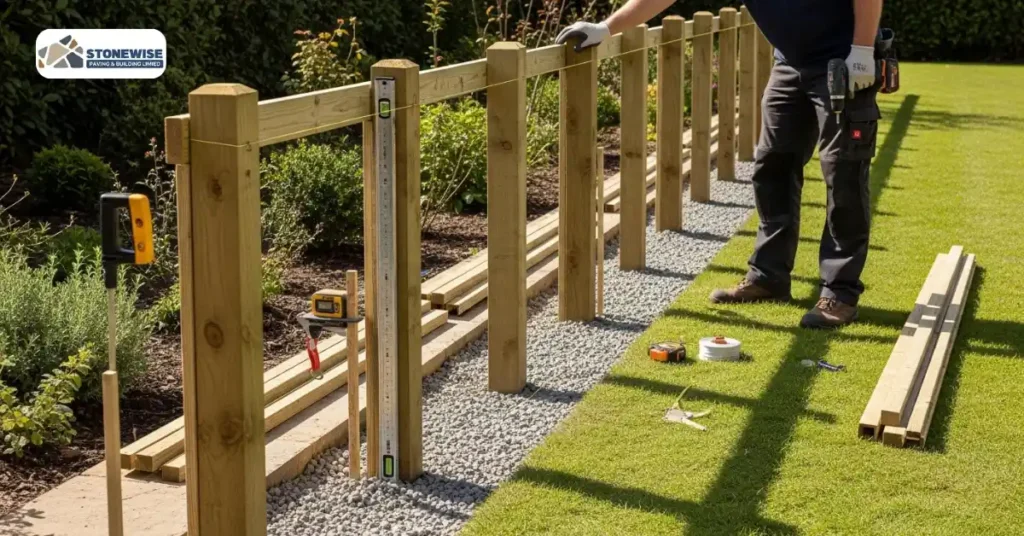
Use string and stakes to mark the exact fence line.
Take note of any slopes or uneven ground; “stepped” fencing may be required for a neat finish.
3. Select Materials
Choose posts carefully. Concrete posts are strong and ideal for exposed or windy areas.
Timber should be treated, and preservative applied to cut ends to prevent rot.
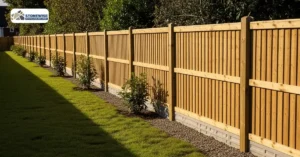
Consider using gravel boards at the base to protect wood from direct soil contact.
4. Prepare the Ground
Remove plants, shrubs, or obstacles along the fence line.
Check for underground utilities before digging to avoid accidents.
Step-by-Step Guide on How to Install Fence
Follow these steps to install your fence correctly and get a neat, long-lasting finish.
1. Mark the Fence Line
Start by marking the fence line. Place a stake at each end and tie a string between them to create a straight reference line. This helps keep your posts and panels aligned throughout the installation.
2. Dig Holes for Posts
Next, dig a hole for each post, usually about 600mm deep. Make the holes slightly wider to fit concrete or aggregate, and add a layer of gravel at the bottom to improve drainage.
3. Set the Posts
Place the posts in the holes and check they are vertical using a spirit level. Pour concrete mix or postcrete around each post and leave it to set. Treat any wooden posts with preservative to protect them and extend their lifespan.
4. Attach Panels or Rails
Once the posts are set, slide panels into the slots if using concrete posts. Fix the timber rails and boards to the posts with screws or clips. Use the string line as a guide to keep panels straight and level.
5. Install Gates and Finishing Touches
Position the gates as planned and make sure they open and close smoothly. Fit gravel boards at the base to stop timber touching the soil. Paint or stain the wood for protection and a neat finish. Check that all screws and fixings are tight before finishing.
Hiring Local Experts for Fence Installation
For larger or complex fence projects, hiring professionals can save you time and hassle. Experienced fencers work efficiently and deliver a neat, long-lasting finish. If you want extra support with your garden layout, a trusted landscaping contractor can guide the planning and carry out the installation smoothly.
Role of Experts
Accurate Site Surveying: Professionals measure your site precisely so the fence fits perfectly.
Regulation Compliance: They follow local rules and planning permissions, avoiding any legal issues.
Proper Tools and Techniques: Experts use the right equipment to guarantee a durable and neat installation.
Handling Challenging Terrain: Uneven ground or tricky conditions are managed effectively, which can be tough for DIY.
Material Advice: Experts can recommend the best type of posts, panels, and treatments for your garden and budget.
Problem Solving: They can quickly handle unexpected issues like hidden roots or drainage challenges.
Benefits of Hiring Professionals
Saves Time: Experts complete the job faster than a DIY approach.
Quality Assurance: You get a neat, long-lasting fence that looks professional.
Reduces Stress: Professionals handle planning, digging, and technical challenges so you don’t have to.
Value for Money: Proper installation means fewer repairs and maintenance later, saving you money in the long run.
Peace of Mind: Hiring insured and experienced fencers protects you from liability and gives reliable results.
A well-installed fence in Bishops Stortford transforms your garden, boosting privacy, security, and style. By planning carefully, selecting quality materials, and following the proper installation steps, you can create a fence that protects your home and adds lasting value to your property.
Whether you choose to do it yourself or hire local experts, the right approach makes the project smoother and stress-free. Professionals save time, handle technical challenges, and deliver a neat, durable finish, giving you peace of mind and a fence that stands the test of time.
In most cases, you don’t need planning permission for a fence under about 2 metres high. However, if the fence is near a road or in a conservation area, different rules may apply.
The best fence depends on your needs. Wooden fences are classic and versatile, metal fences are durable and low-maintenance, and vinyl fences offer a modern look with long-lasting protection.
Check your property boundaries carefully before starting. Ensure posts are set deep enough (around 600 mm) and use gravel at the base for drainage to prevent leaning or rot.